Commercial and Bridging Finance Across East Sussex and Kent
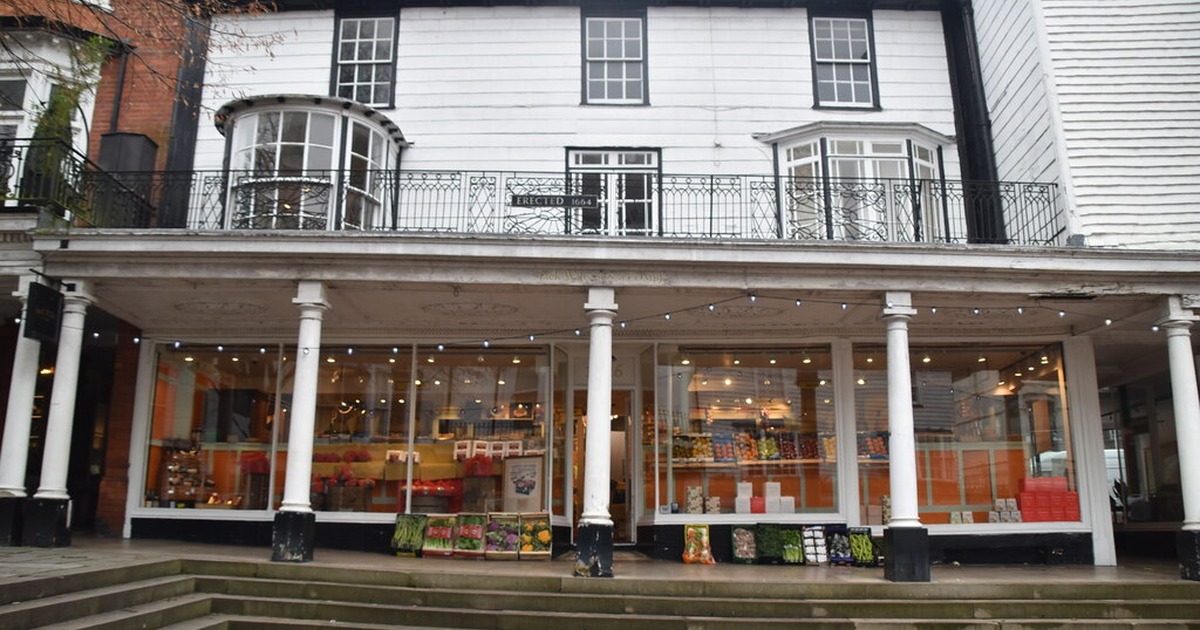
The high streets and seafronts of Hastings, St Leonards, Bexhill, Eastbourne, Lewes, Rye and Brighton are full of mixed-use buildings: a shop, café or office on the ground floor with flats above. These properties can be excellent investments or owner-occupied business premises, but they rarely fit standard residential or buy-to-let criteria. This guide explains how semi-commercial, commercial and bridging finance work, and how to plan a sound exit.
Semi-Commercial (Mixed-Use) Property
A semi-commercial property combines commercial and residential space under one title. Typical examples include a Victorian parade in St Leonards with a ground-floor café and two flats above, a Lewes High Street shop with a maisonette, or an Eastbourne seafront office with residential upper floors.
Lenders usually look at the proportion of commercial versus residential space and the rental income from both. Where residential makes up the majority, some lenders offer terms close to buy-to-let pricing. Typical loan-to-value is up to 70% to 75%, and stronger rental cover or an experienced landlord improves terms. Splitting titles later, or converting commercial space to residential under permitted development, can add value but needs careful planning.
Owner-Occupier vs Investment Commercial Mortgages
An owner-occupier commercial mortgage is for businesses buying their own premises, such as a dental practice, workshop, restaurant or office. Lenders assess the trading accounts of the business and its ability to service the loan, typically lending up to 70% to 80% of value over terms of up to 25 years.
An investment commercial mortgage is assessed mainly on the rent paid by tenants, the strength and length of the leases, and the covenant of the tenants. Lenders look at interest cover ratios and lease terms, and LTVs are usually 60% to 75%.
Buying through a SIPP or SSAS
Business owners can often buy commercial property, such as their own premises, through a Self-Invested Personal Pension (SIPP) or Small Self-Administered Scheme (SSAS). The pension can borrow up to 50% of its net value to help fund the purchase, rent paid by your business goes into the pension, and growth is generally free of tax. Residential property cannot normally be held in a pension, so mixed-use buildings need care. We work alongside your pension trustees and advisers on these purchases.
Bridging Loans: Regulated vs Unregulated
Bridging finance is short-term borrowing, usually for 1 to 24 months, secured on property and repaid from a sale or refinance.
- Regulated bridging applies where the property is, or will be, lived in by you or a close family member. Common uses include breaking a chain or buying a new home before selling the old one.
- Unregulated bridging covers investment and business purposes, such as auction purchases, buy-to-let refurbishments, commercial and semi-commercial property.
Auctions and chain breaks
Auction purchases usually require completion within 28 days, which a standard mortgage cannot meet. A bridging loan can be agreed in principle before the auction and completed in days. For homeowners, a bridge can secure the next home while the existing home is sold, preventing a chain from collapsing.
Heavy refurbishment: works in arrears vs stage payments
For light refurbishment, a lender may fund the purchase and allow you to pay for works yourself. For heavy refurbishment, such as structural work, change of use or a full strip-out, lenders typically release funds for works in stages. With works in arrears, you fund each stage and the lender reimburses you after its surveyor inspects. With stage payments released in advance, cash flow is easier but terms may be stricter. Understanding this matters, because you need enough cash to carry the project between drawdowns.
Bridge-to-Term Exits
Every bridging loan needs a clear exit. For investors, the most common is refinancing onto a long-term mortgage once the property is improved and let:
- HMO mortgages for houses converted to multi-let shared accommodation.
- Multi-unit freehold block (MUFB) mortgages for buildings split into several self-contained flats on one title.
- Limited company (SPV) buy-to-let mortgages for investors holding property in a company.
Some lenders offer a combined bridge-to-term product, agreeing the long-term mortgage at the outset, which reduces refinance risk and costs.
Worked example
An investor buys a former guesthouse in Bexhill at auction for £320,000. A bridging loan of 70% (£224,000) funds the purchase, with a further £120,000 released for works in arrears to create six self-contained flats. Revalued at £600,000, the property is refinanced onto a 75% MUFB mortgage of £450,000, repaying the bridge and releasing much of the investor's cash for the next project.
Development Finance
For ground-up new builds or larger conversions, development finance funds land and build costs in stages, typically lending up to 60% to 70% of the gross development value. Lenders look at your experience, planning, build costs and contractors.
Why Work with TMS?
Commercial and bridging finance is manually underwritten, and small details such as lease terms, planning use classes and exit strategy make a big difference. Our specialist brokers package each case for the right lender. Commercial and unregulated bridging finance is not regulated by the Financial Conduct Authority.
Costs to Budget For
Bridging and commercial finance carry costs beyond the interest rate. Expect an arrangement fee (commonly 1% to 2% of the loan), a valuation fee that rises with property value and complexity, the lender's legal fees as well as your own, and sometimes an exit fee. Bridging interest is usually charged monthly and can be retained (deducted from the loan up front), rolled up to the end, or serviced monthly. Commercial mortgages may carry early repayment charges. We set all of these out in writing so you can compare the true cost of each option.
Local Market Notes for Sussex and Kent
Along the coast, many mixed-use buildings date from the Victorian and Edwardian eras and can carry issues such as flying freeholds, separate leasehold flats above a freehold shop, or commercial space vacant for long periods. Lenders value vacant commercial units cautiously, so a signed lease or a realistic letting plan can materially improve terms. Conservation areas in Rye, Lewes and parts of Hastings Old Town can restrict alterations to shopfronts and change of use, which affects both refurbishment plans and the exit. We review the title, planning history and lease position early, so the lender, valuer and solicitor are aligned before you commit to an auction or exchange.
Frequently Asked Questions
What is a semi-commercial mortgage?
A mortgage for a mixed-use property, such as a shop with flats above, assessed on both the commercial and residential elements.
Can I buy commercial property through my pension?
Yes. SIPPs and SSASs can often buy commercial premises and borrow up to 50% of the scheme's net value.
What is the difference between regulated and unregulated bridging?
Regulated bridging is for property you or your family will live in; unregulated covers investment and business purposes.
How quickly can a bridging loan complete?
Often within one to three weeks, making it suitable for auction purchases with a 28-day deadline.
What is a bridge-to-term exit?
Refinancing a bridging loan onto a long-term mortgage, such as an HMO, MUFB or limited company buy-to-let mortgage, once works are complete.
Every case we place is reviewed by a CeMAP-qualified adviser before a single credit search is run, so your file goes to the lender most likely to say yes first time. Contact Transparent Mortgage Services for a free, no-obligation review of your figures. Your home may be repossessed if you do not keep up repayments on your mortgage.